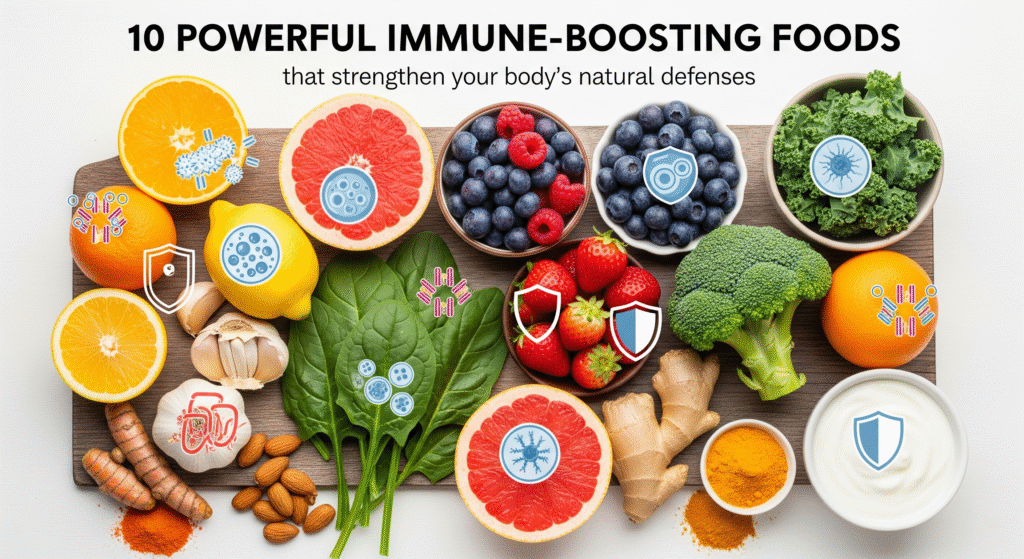
Your immune system works tirelessly to protect you from harmful bacteria, viruses, and other pathogens. While genetics play a role in immune function, the foods you eat have a profound impact on your body’s ability to fight off illness and maintain optimal health. Incorporating immune-boosting foods into your daily diet is one of the most effective natural ways to strengthen your defenses and promote long-term wellness.
Understanding How Food Affects Your Immune System
Nutrition and immune function are deeply interconnected. Your immune system requires specific vitamins, minerals, and antioxidants to operate at peak performance. When you consistently consume nutrient-dense foods, you provide your body with the building blocks it needs to produce immune cells, antibodies, and other protective compounds.
Research published in the Journal of Immunology Research confirms that certain foods can enhance immune response by up to 40%, making dietary choices a powerful tool for preventing illness and supporting recovery.
1. Citrus Fruits: Vitamin C Powerhouses
Citrus fruits are among the most well-known immune-boosting foods for good reason. Oranges, lemons, grapefruits, and limes are packed with vitamin C, which stimulates white blood cell production. Key benefits include:
- Supporting collagen synthesis for healthy skin barriers
- Acting as powerful antioxidants that neutralize free radicals
- Enhancing iron absorption from plant-based foods
- Reducing duration and severity of common cold symptoms
Aim for one serving of citrus fruit daily to meet your vitamin C needs naturally.
2. Garlic: Nature’s Antibiotic
Garlic contains allicin, a compound with potent antimicrobial properties. This sulfur-containing compound has been used medicinally for thousands of years. Modern research shows that regular garlic consumption can:
- Reduce cold frequency by up to 63%
- Lower blood pressure and cholesterol levels
- Support cardiovascular health
- Provide antibacterial and antiviral protection
For maximum immune benefits, crush or chop fresh garlic and let it sit for 10 minutes before cooking to activate allicin production.
3. Yogurt and Fermented Foods: Gut Health Champions
Your gut contains approximately 70% of your immune system, making digestive health crucial for overall immunity. Probiotic-rich foods like yogurt, kefir, sauerkraut, and kimchi support beneficial gut bacteria that:
- Strengthen intestinal barrier function
- Produce immune-supporting short-chain fatty acids
- Enhance pathogen resistance
- Improve nutrient absorption
Look for yogurt labels that say “live and active cultures” to ensure you’re getting viable probiotics.
4. Leafy Green Vegetables: Nutrient Density Champions
Spinach, kale, and other dark leafy greens are immune system superstars. These vegetables provide folate, vitamin C, vitamin A, and numerous antioxidants that support immune cell function. Regular consumption helps:
- Boost natural killer cell activity
- Support healthy inflammation response
- Provide beta-carotene for vitamin A production
- Deliver iron for oxygen transport
Try to include at least one serving of leafy greens in your daily meals, whether in salads, smoothies, or cooked dishes.
5. Fatty Fish: Omega-3 Inflammation Fighters
Salmon, mackerel, sardines, and other fatty fish provide omega-3 fatty acids essential for immune regulation. These healthy fats help:
- Reduce chronic inflammation
- Support T-cell function
- Enhance vaccine effectiveness
- Promote brain health and mood regulation
The American Heart Association recommends eating fatty fish at least twice per week for optimal health benefits.
6. Berries: Antioxidant Powerhouses
Blueberries, strawberries, and blackberries are loaded with flavonoids and vitamin C. These colorful fruits provide anthocyanins, powerful antioxidants that:
- Protect cells from oxidative stress
- Support memory and cognitive function
- Reduce inflammation markers
- Enhance immune cell communication
Fresh or frozen berries retain their nutritional value, making them convenient year-round immune supporters.
7. Sweet Potatoes: Beta-Carotene Champions
Sweet potatoes are excellent sources of beta-carotene, which your body converts to vitamin A. This nutrient is essential for:
- Maintaining healthy mucous membranes
- Supporting respiratory tract health
- Enhancing T-cell production
- Promoting wound healing and tissue repair
One medium sweet potato provides over 100% of your daily vitamin A needs.
8. Green Tea: Catechin-Rich Immune Booster
Green tea contains epigallocatechin gallate (EGCG), a powerful antioxidant with immune-enhancing properties. Regular green tea consumption can:
- Increase antioxidant activity in the blood
- Support liver detoxification
- Improve metabolic health
- Provide gentle caffeine for sustained energy
Aim for 2-3 cups of green tea daily for maximum immune benefits.
9. Nuts and Seeds: Vitamin E Sources
Almonds, sunflower seeds, and other nuts provide vitamin E, a fat-soluble antioxidant crucial for immune function. These nutrient-dense foods help:
- Protect cell membranes from damage
- Support T-cell function
- Provide healthy fats and protein
- Offer sustained energy and satiety
A small handful (about 1 ounce) provides substantial vitamin E without excess calories.
10. Mushrooms: Beta-Glucan Immune Modulators
Shiitake, maitake, and other medicinal mushrooms contain beta-glucans that enhance immune response. These compounds help:
- Activate immune cells like macrophages
- Support natural killer cell function
- Provide B vitamins and selenium
- Offer umami flavor to enhance meals
Add mushrooms to soups, stir-fries, or salads for both flavor and immune benefits.
Building Your Immune-Supporting Diet
The key to maximizing immune function through nutrition is variety and consistency. Rather than relying on single “superfoods,” focus on eating a rainbow of colorful, whole foods throughout the week. Combine these immune-boosting foods with adequate sleep, regular exercise, stress management, and proper hydration for comprehensive wellness support.
Remember, no single food can prevent illness, but a well-balanced diet rich in these immune-supporting nutrients creates a strong foundation for your body’s natural defenses. Start incorporating 2-3 of these foods into your daily routine and gradually expand your immune-boosting repertoire for lasting health benefits.